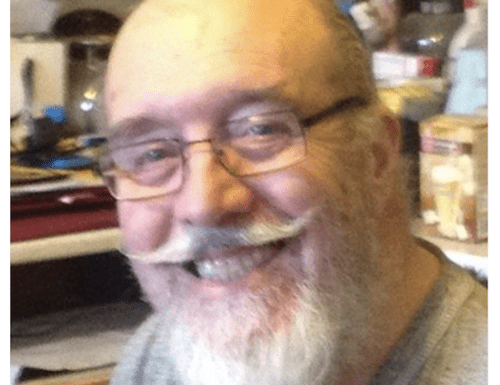
A message of hope from George to Pauline Quirke and everyone else newly diagnosed with dementia
“Hello! It’s George here in North Shropshire. Today I wanted to record a diary about being diagnosed with young-onset dementia, which I was. I was 62 or 63 when I was diagnosed, that’s 10 years ago. I’m prompted really by the news that Pauline Quirke has been diagnosed 3, 4 years ago now, but she’s actually gone public with it now. Regretably, she’s had to decide to give up her acting career. I would say that I can remember, and I do appreciate the huge humour and the huge enjoyment that people had with her earlier career in TV, but also, some of the later roles she played, which were really serious things – she was a great actor. And she still is, I should say, wasn’t was, is. Even if she doesn’t do much of it now. So I’d just like to thank Shirley, Pauline, I keep calling you Shirley, I don’t know why!? PAULINE, I’d like to thank Pauline for coming out with it. Going public, because the more people are open about the dementia that they live with, the more we will reduce the stigma attached to having dementia. I ran a short course of 5, 2 hour sessions called ‘A Good Life With Dementia’ for 10 people who were recently diagnosed with dementia here, in North Shropshire. I ran it just before Christmas. It’s modelled on the ‘Good Life With Dementia’ course devised by Damian Murphy and a DEEP group in York, ‘York Minds and Voices’. Really, what it’s about is getting people to talk about their fears, about their questions, about how they are going to live, their future and to realise that there are a lot of other people out there who have dementia who get it. Who understand and who are good to talk to and not to be frightened of disclosing to people that you have dementia. I’m not saying “stand up and be proud of it”, because it’s nothing to be proud of, but it’s nothing to shy away from either. You know, most diseases, like if you have a hip replacement, you don’t sort of keep it quiet because you’re ashamed, it’s just life. So, the people who came to the course, they just blossomed. You could see, within, well, during the second session in particular, I could see that their clouds were opening; they said things like “I haven’t been able to talk to anybody about this until today” or “I hadn’t realised that dementia is such and such, and not something else”. Dementia is not actually the word for the disease, it’s Alzeimer’s, or Frontotemporal, or whatever it might be. So it’s a huge sense of companionship the people get, and also, feeling they’re not alone, feeling supported, and I’ll tell you what, you get a group of, I don’t know, say, 10 people with dementia together in a room, and between them, they will know everything there is to know about the disease, about benefits that you are entitled to, about tips on how to get by in life when barriers present themselves to you. We all know because we’ve done it. So, to cut this longish story short, I welcome Shirley to our breatheren. Oh no, what’s the non-sexist version? I welcome her to our, to us, living with dementia and thank her for being open and honest about it. I will also urge her to listen to some of the Dementia Diaries and maybe do one herself. You know, they’re all available on the Dementia Voices website. You learn a lot from listening to other people. Yeah, so that’s it. Welcome Shirley, keep doing what you enjoy. Keep enjoying life, because life is there to be enjoyed. Focus on the now and keep engaged. That’s my message; keep engaged. Ok, bye for now, that’s the end.”