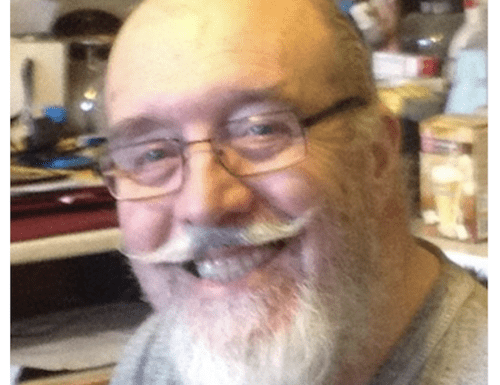
Everybody in my support network is aware of my wishes, including type of funeral what kind of medical intervention if any even how I want my life celebrated. I think it’s worth noting if you intended attending my funeral you will have to come dressed as a Star Wars character

Posted on 26 March 2018
SHARE:
I noticed yesterday evening a spirited twitter conversation on what constitutes a good end of life for somebody living with Dementia.
I noticed many contributors stated they wanted some control on how the arrangements for their end of life care were put in place.
Early diagnosis, followed by conversations and planning, is essential in ensuring that people with dementia can feel confident that their preferences and concerns about the end of life are known and will be acted upon when the time comes.
The progressive nature of dementia and its impact on cognition presents people with dementia, their family and friends with major losses that can make the journey very difficult for those involved. However, these challenges can be made more manageable by early discussions and planning. This process is sometimes referred to by professionals as ‘advance care planning’ can be used to help record preferences and decisions.
I have such a directive in place, its easy to do and guarantees your wishes up to and including death. Everybody in my support network is aware of my wishes, including type of funeral what kind of medical intervention if any even how I want my life celebrated. I think it’s worth noting if you intended attending my funeral you will have to come dressed as a Star Wars character plus no crying absolutely no sadness I will be watching!!!
May I offer some advice for Carers and Professionals – by whom I mean people who provide paid and unpaid support to a family member client or friend – are a crucial, but too often overlooked, part of end of life care. A diagnosis of dementia not only has a significant effect on the person, but it also has a great effect on the family and friends supporting them.
Carers of people with dementia (and other degenerative conditions) often report not knowing what the person wanted at the end of life, having not been able or prompted to talk about this sooner. This can lead to a considerable amount of distress or guilt being felt by the carer as they feel that the person with dementia did not receive the death they would have wanted.
Reassurance: Offer kind words of reassurance bearing in mind that people are likely to be fearful of the future. For example: “You can always revisit things, but because you’ve done that first step it will be a bit easier” “Don’t fear planning ahead. It will make life much easier in the end” “You need to be thinking about these things early on. You don’t need to be frightened. It’s much easier to do it earlier” “Once you’ve spoken about these things, as hard as it might be, you can put them away and focus on enjoying things” Speak early on “Too soon is never too soon” But don’t despair if you haven’t. It can still be possible to communicate with someone about their wishes as their dementia advances, given the right situation and approach. Things aren’t set in stone: Conversations can be revisited It’s a process: Discussing the future and end of life is an ongoing conversation Be supportive and honest: Be kind and try to put yourself in their shoes, but you still need to be honest Focus: You do need to make thinking and planning ahead a focus of conversation from time to time, and not gloss over it Be realistic: It’s impossible to plan ahead for every eventuality Be yourself.
A good death is of course a Human Right, so you might want to download; End of Life Care and Human Rights a practitioner’s guide.
This very useful document can be found bihr.org.uk.
I’ve avoided talking about spiritual needs as they vary so much I think it’s a given that someone’s religious and spiritual needs are personal and should be observed and respected as a Human Right.
“When someone you love becomes a memory, the memory becomes a treasure.” – Unknown